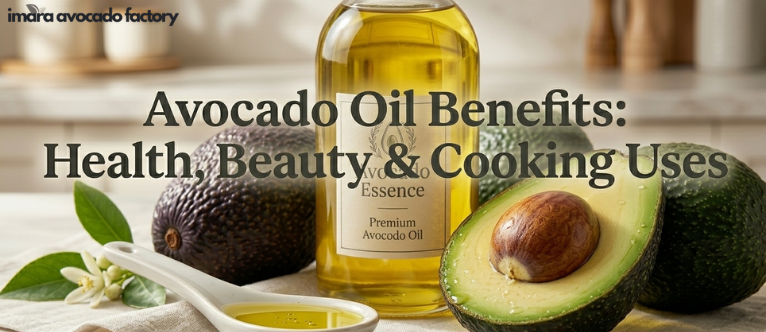
Avocado oil has surged in popularity over the past decade, becoming a staple in kitchens, beauty routines, and wellness circles worldwide.
Derived from the pulp of the avocado fruit (Persea americana), this oil is praised for its rich nutritional profile, antioxidant properties, and versatility.
While it’s often compared to olive oil or coconut oil, avocado oil stands out due to its unique combination of vitamins, healthy fats, and high smoke point, making it suitable for cooking, skin care, and hair treatments.
This article provides a deep dive into avocado oil benefits, its scientifically backed benefits, practical applications, and everything you need to know to use it safely and effectively.
Table of Contents
What Is Avocado Oil?
Avocado oil is a nutrient-dense oil extracted from the flesh of the avocado.
Unlike oils derived from seeds, avocado oil comes from the creamy pulp, which is naturally high in monounsaturated fats and antioxidants. (Source).
Types of Avocado Oil:
- Extra Virgin/Cold-Pressed Avocado Oil: This is oil extracted without heat or chemicals, helping preserve the nutrients, flavor, and natural antioxidants. This type of oil is used for salads, dips, or low-heat cooking.
- Refined Avocado Oil: Processed with heat and filtration, resulting in a neutral flavor and higher smoke point (~520°F / 271°C), ideal for frying and roasting.
- Pure or Blended Avocado Oil: Sometimes mixed with other oils; nutritional value may vary depending on the blend.
Nutritional Profile of Avocado Oil:
Avocado oil is primarily composed of monounsaturated fats, especially oleic acid, which is known for its heart-protective and anti-inflammatory effects. Other nutrients include:
- Vitamin E: A fat-soluble antioxidant that protects cells and supports skin health.
- Vitamin K: Essential for blood clotting and bone health.
- Lutein: A carotenoid that supports eye health.
- Phytosterols: Compounds that may help lower cholesterol.
Comparing Avocado Oil To Other Oils:
Unlike coconut oil, which is high in saturated fats, avocado oil’s monounsaturated fats resemble those found in olive oil, promoting cardiovascular health. Its higher smoke point also makes it more versatile for cooking without nutrient loss.
Health Benefits of Avocado Oil
Avocado oil is more than just a healthy fat. It’s a functional food with multiple health benefits, as we have discussed below:
1. Supports Heart Health
One of the biggest benefits of avocado oil is that it improves cardiovascular health. Here’s how it does that:
- Avocado oil increases HDL (good cholesterol) and reduces LDL (bad cholesterol) and triglycerides.
- It reduces inflammation in blood vessels.
- It potentially lowers blood pressure due to its high monounsaturated fat content.
Clinical studies suggest that including avocado oil in daily diets can reduce the risk of heart disease and improve overall cardiovascular markers. (Source).
2. Offers Anti-Inflammatory Effects
Another top benefit of avocado oil is that it offers anti-inflammatory effects. Chronic inflammation contributes to heart disease, arthritis, and metabolic disorders.
Avocado oil contains oleic acid and carotenoids, which help reduce inflammation by lowering pro-inflammatory markers.
Incorporating avocado oil into meals can provide subtle but meaningful anti-inflammatory benefits over time.
3. Promotes Metabolism And Weight Management
Despite being calorie-dense, avocado oil may aid weight management in the following ways:
- Healthy fats improve satiety and reduce overeating.
- Promote efficient nutrient absorption.
- Support metabolic rate by helping the body metabolize fats more effectively.
But keep in mind that moderation is key here. Just taking 1–2 tablespoons daily is sufficient for health benefits without excess calories.
4. Helps Regulate Blood Sugar
Good news for type 2 diabetes patients! Avocado oil may help regulate blood sugar:
- Avocado oil contains monounsaturated fats that improve insulin sensitivity, lowering the risk of type 2 diabetes.
- Replacing refined oils or trans fats with avocado oil in meals can stabilize blood sugar levels post-meal.
5. Provides Antioxidant Protection
Avocado oil contains antioxidants such as vitamin E, lutein, and phytosterols, which:
- Protect cells from oxidative stress and free radical damage.
- Support eye health, reducing the risk of age-related macular degeneration.
- Help maintain healthy skin and slow the aging process.
6. Supports Digestive Health
Avocado oil supports digestion and nutrient absorption. Here’s how:
- Promotes absorption of fat-soluble vitamins (A, D, E, K).
- Gentle on the digestive tract, making it suitable for individuals with sensitive stomachs.
Avocado Oil Skin And Hair Benefits
Besides being a kitchen favorite, avocado oil has also earned a special place in beauty routines as well. Its rich nutrients make it ideal for nourishing both your skin and hair.
Avocado Oil for Skin Health:
- Hydration: The natural fatty acids in avocado oil sink into the skin, providing deep, lasting moisture for dry or rough areas.
- Anti-Aging: With antioxidants like vitamin E and carotenoids, avocado oil helps protect skin cells and can soften the appearance of fine lines and wrinkles.
- Healing: Gentle and soothing, it can calm minor cuts, sunburns, and everyday skin irritations.
- Acne-Friendly: For some skin types, it is lightweight and non-comedogenic, and its anti-inflammatory properties may help reduce redness and irritation.
Avocado Oil for Hair Care
- Strength and Softness: Avocado oil nourishes your hair from root to tip, improving strength, shine, and softness.
- Less Breakage: Regularly using avocado oil in your hair can help reduce split ends and hair breakage, keeping hair healthier over time.
- Scalp Support: It promotes a healthy scalp, which may help with dryness and dandruff.
DIY Avocado Oil Beauty Ideas:
- Face Moisturizer: Add a few drops of avocado oil to your daily cream for extra hydration.
- Hair Mask: Mix avocado oil with honey or yogurt and leave on for 20–30 minutes to boost shine and softness.
- Lip Balm: Combine the oil with beeswax to keep lips smooth and moisturized.
- Body Oil: Apply avocado oil after a shower to lock in moisture and leave skin soft all day.
Avocado oil is versatile and gentle, which makes it an easy addition to your self-care routine, whether you use it in your diet or directly on your skin and hair.
Culinary Uses of Avocado Oil for Healthy Cooking
Avocado oil is a favorite in kitchens around the world because it’s versatile, mild, and packed with healthy fats.
Its subtle, buttery flavor works well in many dishes, and its high smoke point makes it suitable for almost any cooking method.
Best Cooking Methods with Avocado Oil:
Avocado oil can handle both high heat and gentle preparation. It stays stable for frying, roasting, or sautéing, so you don’t have to worry about it breaking down. And for cooler uses, such as salad dressings or drizzling over finished dishes, cold-pressed oil adds smooth richness without overpowering flavors.
Flavor Profile and Pairing Tips:
The mild, buttery taste of avocado oil makes it easy to pair with vegetables, eggs, meats, and grains. You can use it in savory dishes or even in some sweet recipes, giving your meals a subtle flavor while boosting nutrition.
Easy Recipes Using Avocado Oil:
To put it into practice, avocado oil works beautifully in simple, everyday dishes. Toss vegetables with avocado oil, garlic, and herbs for roasting, or mix it with lemon juice and mustard for a fresh, healthy salad dressing.
A teaspoon in guacamole creates a smoother, creamier texture, and you can even swap it for butter or other oils in baking to make muffins, breads, and cakes tender and moist.
Safety and Precautions for Using Avocado Oil
Avocado oil is generally safe for most people, but like any food, it’s helpful to be aware of a few considerations to enjoy its benefits safely.
Potential Side Effects of Avocado Oil
While rare, some individuals may experience allergic reactions, especially those with latex allergies. Eating or using too much avocado oil can also add extra calories to your diet, so moderation is key.
Who Can Safely Use Avocado Oil:
Avocado oil is safe for children, pregnant, and breastfeeding women when used in moderate amounts. Its gentle, natural composition makes it suitable for most diets and lifestyles.
How to Store Avocado Oil:
To preserve freshness and prevent oxidation, make sure to keep avocado oil in a cool, dark place and make sure the bottle is tightly sealed. Avoid exposure to heat and light for long periods.
Recommended Daily Intake:
For most adults, consuming 1–2 tablespoons per day is considered safe and effective to gain health benefits such as improved heart health, skin hydration, and nutrient absorption.
Environmental and Ethical Considerations
While avocado oil is a healthy choice, it’s important to be mindful of the environmental and ethical impacts of its production. Some common concerns include:
- Water Usage: Avocado trees require significant water.
- Deforestation: Large-scale farming can harm ecosystems.
- Ethical Sourcing: Support brands that use sustainable farming and fair trade practices.
Avocado Oil vs. Other Cooking Oils
Not all cooking oils are created equal. Here’s how avocado oil compares to popular alternatives:
Avocado Oil vs. Olive Oil
Both avocado and olive oils are rich in heart-healthy monounsaturated fats. However, avocado oil has a higher smoke point, making it more versatile for high-heat cooking like frying or roasting, while olive oil is often better for low-heat cooking or drizzling.
Avocado Oil vs. Coconut Oil
Coconut oil is high in saturated fats, which can make it less ideal for heart health. It works well in baking or certain desserts, but avocado oil offers more overall nutrients and supports cardiovascular benefits.
Avocado Oil vs. Vegetable Oils
Many common vegetable oils are highly processed and refined, often losing nutrients in the process. Avocado oil, especially cold-pressed varieties, retains antioxidants and healthy fats, making it a more nutrient-dense option.
Scientific Evidence
- Heart Health: Clinical trials confirm improved cholesterol and vascular function.
- Skin Health: Topical application increases hydration and elasticity.
- Antioxidant Activity: Lab studies show strong free radical neutralization.
Claims about rapid weight loss or curing chronic diseases are not supported by robust evidence.
Benefits of Avocado Oil FAQs:
Here are answers to some of the most common questions about the benefits of avocado oil:
Is avocado oil better for you than olive oil?
Avocado oil and olive oil offer similar nutritional benefits, particularly their high monounsaturated fat content. Avocado oil has a higher smoke point, making it more suitable for high-heat cooking. Olive oil remains widely studied for heart health. Choosing between them depends on usage, with both oils fitting well into a balanced diet.
Is there a downside to avocado oil?
Avocado oil is generally well-tolerated, though quality can vary depending on processing standards. Poorly refined oils may lose beneficial compounds. It is also calorie-dense, so excessive consumption may affect overall energy balance. As with any oil, moderation and sourcing from reputable producers are important for maintaining its intended benefits.
Is a spoonful of avocado oil a day good for you?
A spoonful of avocado oil can contribute beneficial fats and vitamin E to the diet. However, it should be considered part of the overall daily fat intake rather than a standalone solution. Health outcomes depend on total diet quality, lifestyle, and portion control rather than relying on a single ingredient.
Can I put avocado oil on my face?
Yes, you can put avocado oil on your face. Avocado oil is commonly used in skincare due to its emollient properties and compatibility with many skin types. It can help support moisture retention and improve skin texture. However, individual reactions vary, so it is advisable to test a small amount first and ensure the oil is properly processed and suitable for cosmetic use.
What is the healthiest oil?
There is no single healthiest oil, as nutritional value depends on context and usage. Oils rich in unsaturated fats, such as avocado oil and olive oil, are generally preferred. The healthiest choice depends on cooking method, dietary needs, and quality of processing. A balanced approach that includes a variety of oils is often recommended.
Why do some doctors say not to eat avocados?
Some doctors advise limiting avocados due to their high-calorie and fat content, particularly for individuals managing weight or specific medical conditions. Others may raise concerns about portion sizes rather than the fruit itself. In most cases, avocados remain a nutritious food when consumed in moderation as part of a balanced diet.
Is frying in avocado oil healthy?
Avocado oil is suitable for frying because of its high smoke point and stable fat composition. It maintains its structure better than many other oils under heat. While this makes it a practical option for frying, the overall health impact still depends on cooking frequency, food choices, and maintaining a balanced diet.
This quick video breaks down the top health benefits of avocado oil:
Final Thoughts
There you have it: the key benefits of avocado oil. Avocado oil is a nutrient-rich, versatile oil offering benefits for heart health, metabolism, skin, hair, and cooking. Incorporating it into your daily routine can support overall wellness while providing culinary versatility.
Choosing high-quality, sustainably sourced avocado oil maximizes both health benefits and environmental responsibility.
Whether drizzled over a salad, used for frying, or applied to skin and hair, avocado oil proves itself as a modern “super oil” worth including in your kitchen and beauty cabinet.