Avocado oil has gained global recognition for its nutritional value, versatility, and expanding role across food, cosmetic, and industrial applications. As demand grows, many people are increasingly curious about how to make avocado oil at home, whether for personal use, small-scale experimentation, or to understand the production process better.
While industrial production involves advanced extraction technologies and strict quality controls, home-based methods offer a simplified view into how oil is derived from avocados. Understanding these methods provides useful context, especially for stakeholders and professionals interested in the broader avocado oil value chain.
This article discusses practical approaches to making avocado oil at home, including blending and boiling techniques, while also highlighting key considerations around quality, efficiency, and sustainability.
Understanding Avocado Oil Extraction
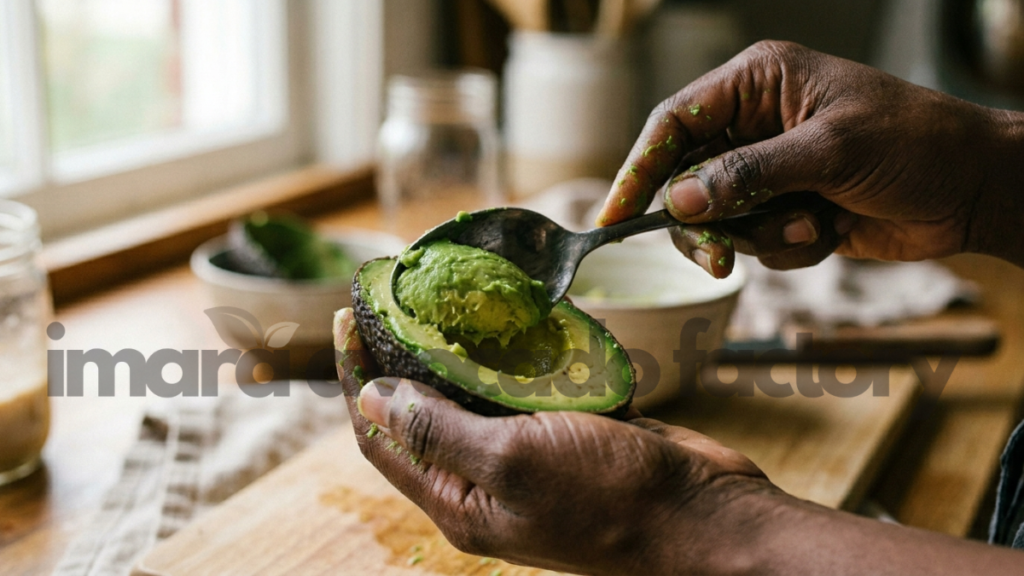
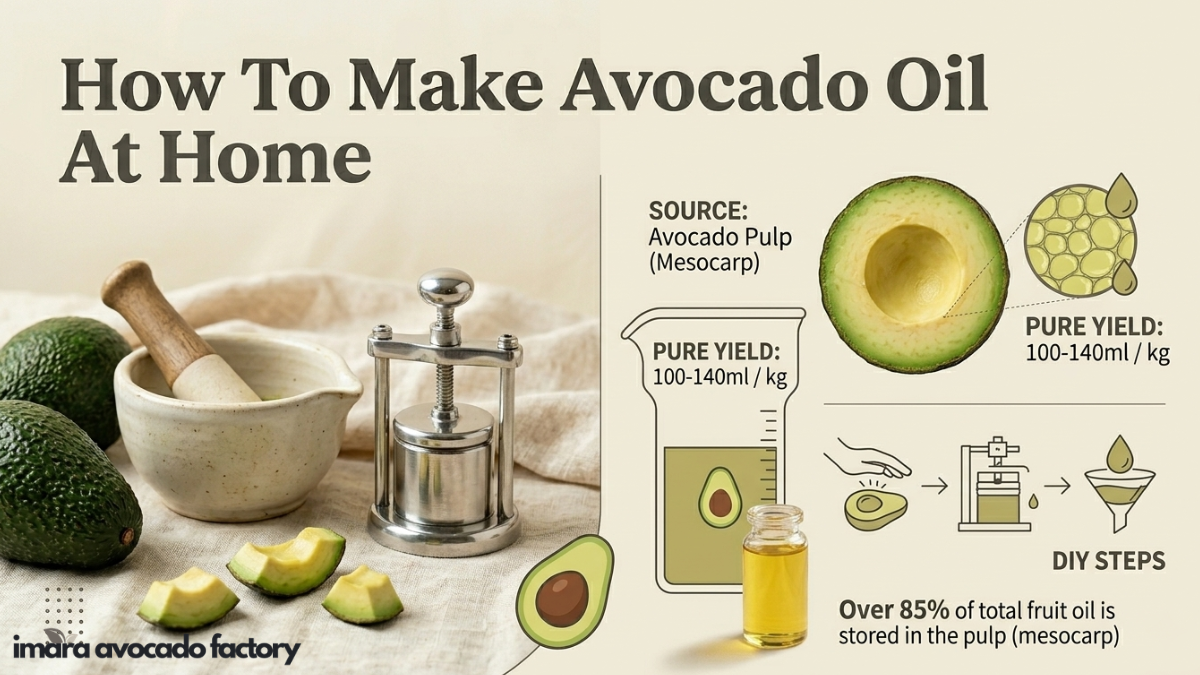
Before looking at the specific methods, it is important to understand how avocado oil is naturally present in the fruit. Unlike many other oil-bearing crops, avocados store oil in the flesh rather than the seed. This makes the extraction process unique and relatively accessible, even at a basic level.
When discussing how to extract oil from avocado, the goal is to separate the oil from the pulp through mechanical or thermal means. In industrial settings, this is done through controlled pressing, centrifugation, and filtration systems that preserve quality and consistency.
At home, however, extraction relies on simpler techniques that mimic these processes in a less refined way. While yields are lower and quality can vary, these methods still offer valuable insight into how avocado oil is produced.
Method #1: How To Make Avocado Oil With A Blender
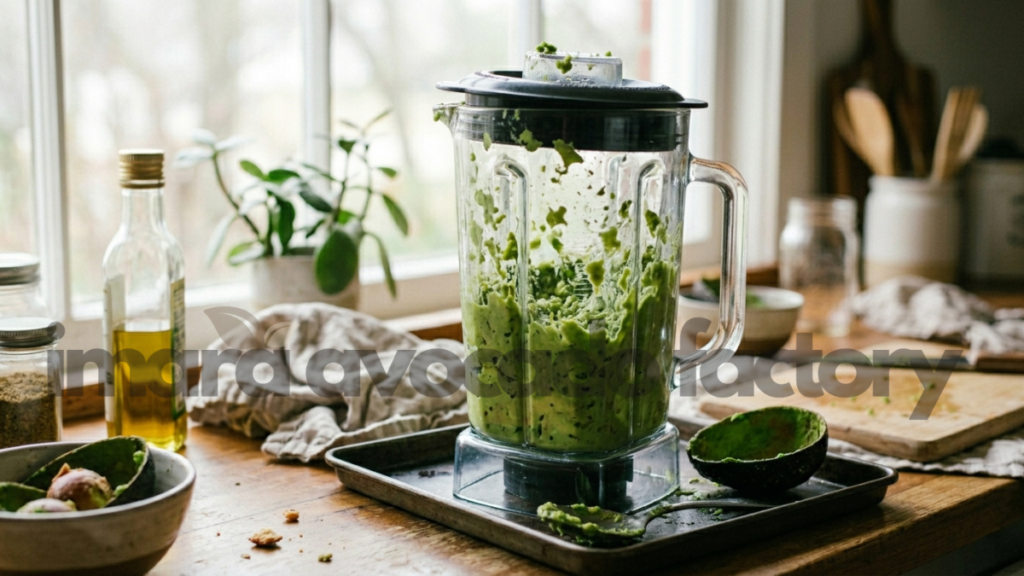
One of the most common approaches for those exploring how to make avocado oil with a blender involves creating a puree that can later be processed to release oil.
The process begins by selecting ripe avocados. The fruit should be soft but not overripe, as this ensures optimal oil content and easier processing. After peeling and removing the seed, the flesh is placed into a blender and processed into a smooth paste.
This paste is then gently heated in a pan over low heat. As the mixture cooks, water content begins to evaporate, and the oil starts to separate from the pulp. Over time, the mixture thickens and darkens slightly, signalling that oil extraction is underway.
Once sufficient separation has occurred, the mixture is strained using a clean cloth or fine sieve. The oil that is collected is typically unrefined and may contain small impurities, which can be removed through additional filtration if needed.
This method is a basic form of mechanical and thermal extraction combined. It is widely used due to its simplicity and minimal equipment requirements.
Method #2: How To Make Avocado Oil By Boiling

Another traditional method involves understanding how to make avocado oil by boiling, which uses heat as the primary mechanism for extraction.
In this approach, avocado pulp is first mashed thoroughly. Water is then added to the mixture, and it is brought to a controlled boil. As the mixture heats, the oil begins to separate and rise to the surface.
The boiling process requires careful attention to temperature and timing. Excessive heat can degrade the oil’s natural properties, while insufficient heating may result in incomplete extraction. As the mixture continues to cook, a visible layer of oil forms, which can be skimmed off or separated after cooling.
This method is often seen in traditional or rural settings where access to equipment is limited. It reflects an early-stage understanding of how to extract oil from avocado at home, using basic resources.
While effective at a small scale, boiling tends to produce oil with a stronger aroma and darker color due to prolonged heat exposure. This highlights the importance of controlled processing in commercial operations.
Method #3: Avocado Oil Extraction from Avocado Seeds

There is increasing curiosity around how to make avocado oil from the seed, especially as sustainability discussions encourage full utilization of agricultural produce.
It is important to note that avocado seeds contain significantly less oil compared to the flesh. Extracting oil from seeds is technically possible, but it requires more intensive processing and yields are minimal.
At home, seeds are typically dried, crushed, and then subjected to heating or pressing methods. However, the resulting oil is not commonly used in food applications due to differences in composition and potential safety considerations.
From an industry perspective, seed utilization is more relevant in research and industrial innovation rather than household production. It reflects a broader commitment to reducing waste and exploring alternative value streams within avocado processing.
Avocado Oil Quality Considerations In Home Extraction
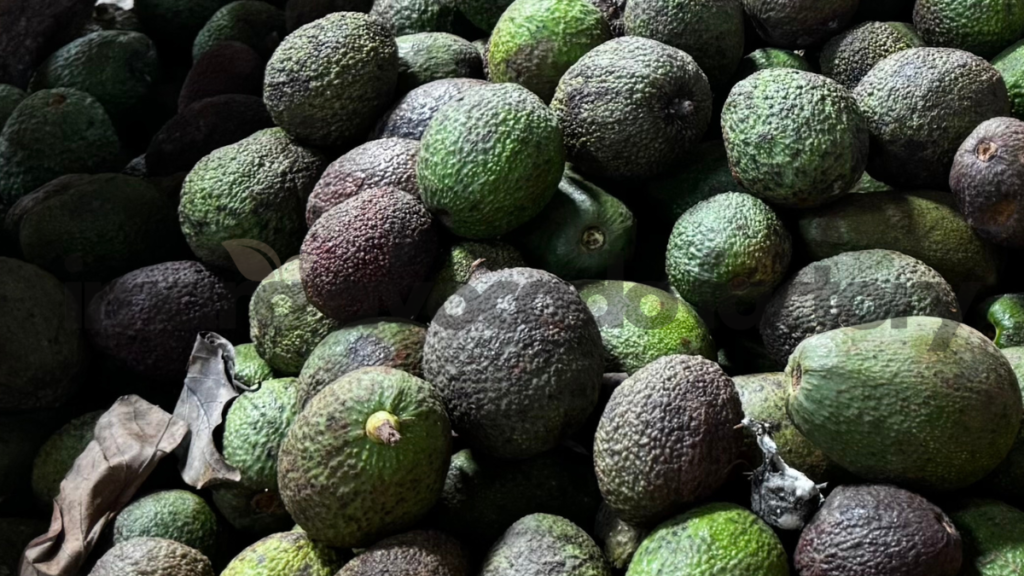
When learning how to extract oil from avocado, it becomes clear that quality is influenced by several factors. These include fruit selection, processing temperature, and handling practices.
At home, maintaining consistency can be challenging. Variations in ripeness, heating duration, and filtration methods all affect the final product. This is where the distinction between home production and industrial manufacturing becomes particularly evident.
In a professional setting, avocado oil production is guided by strict protocols. Temperature control, hygiene standards, and efficient separation technologies ensure that the oil retains its nutritional integrity and meets safety requirements.
At Imara Avocado Factory, a leading avocado oil manufacturer in Kenya, operations are structured to prioritize these elements at every stage.
From raw material sourcing to processing and storage, each step is designed to maintain quality and traceability. This approach reflects the importance of operational discipline in delivering reliable avocado oil products.
Efficiency And Yield In Oil Production

One of the key differences between home-based methods and commercial processing lies in efficiency. When exploring how to make avocado oil at home, it quickly becomes apparent that oil yield is relatively low.
A significant quantity of avocados is required to produce a small amount of oil. This is due to the limitations of manual extraction methods and the absence of advanced equipment.
In contrast, modern factories are designed to maximize extraction efficiency while minimizing waste. Technologies such as cold pressing and centrifugation allow for higher yields and better preservation of oil quality.
This efficiency is critical not only for economic viability but also for sustainability. By optimizing resource use, producers can reduce environmental impact and improve overall value chain performance.
Sustainability And Responsible Processing
The growing interest in how to extract oil from avocado at home is evidence of a wider awareness of sustainability and food systems. Consumers and stakeholders are increasingly interested in how products are made and the environmental considerations involved.
Home production encourages a closer connection to the source of food, but it also highlights the challenges of scaling sustainable practices. Issues such as waste management, energy use, and consistency become more complex at larger volumes.
Within the industrial context, sustainability is addressed through structured systems. Responsible sourcing, efficient water use, and waste reduction are integral to modern avocado oil production.
Imara Avocado Factory continues to align its operations with these principles, recognizing that long-term success in the avocado oil sector depends on both environmental responsibility and operational excellence.
Bridging Home Curiosity and Industrial Expertise
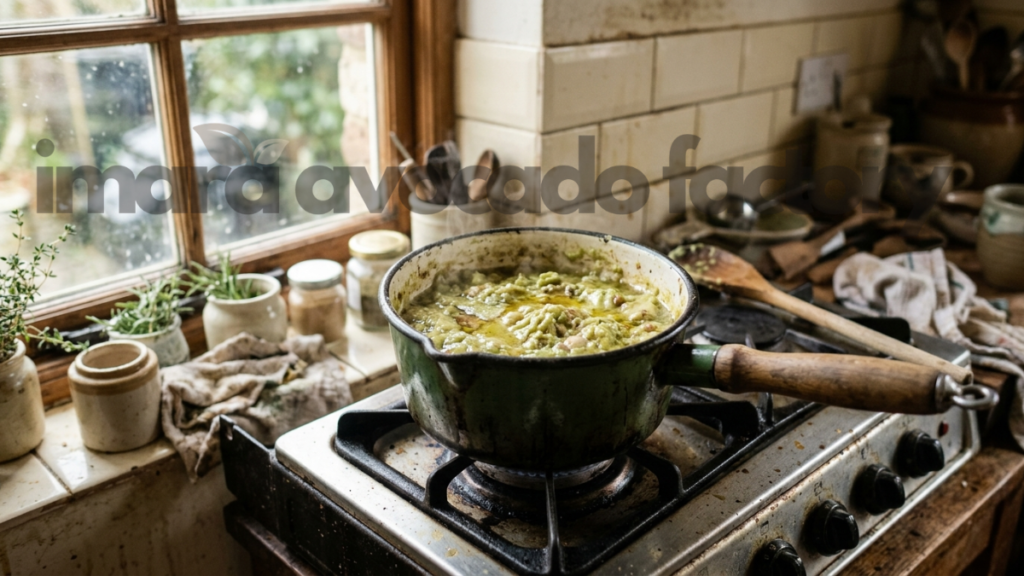
The process of learning how to make avocado oil with a blender or through boiling provides more than just a practical outcome. It offers insight into the fundamental principles of oil extraction and the value of controlled processing.
For industry stakeholders, this understanding reinforces the importance of investment in technology, skilled personnel, and quality systems. It also highlights the gap between informal production methods and the standards required for commercial distribution.
Leadership plays a key role in bridging this gap. At Imara Avocado Factory, operational leadership ensures that production processes are continuously refined and aligned with industry expectations. This includes a strong focus on safety culture, efficiency, and product integrity.
Such an approach not only supports consistent output but also builds confidence among partners, investors, and the broader agricultural ecosystem.
Final Word
Learning how to make avocado oil at home is a good way to understand the basics of how oil is extracted. Simple methods like blending and boiling can give you useful hands-on experience, but they also show the limits of small-scale production, especially in quality and quantity. This makes it clear why professional processing is important, where conditions are better controlled. As demand for avocado oil grows, well-managed production helps ensure consistent quality, safe products, and a steady supply for the market.