Avocado oil has become an essential ingredient across food processing, cosmetics, and nutraceutical industries. Its versatility and nutritional profile continue to drive global demand, particularly in export markets.
NOW… a common question that arises among stakeholders and consumers alike is simple yet important: how is avocado oil made, and what part of the avocado does avocado oil come from?
Understanding the origin of avocado oil is more than mere curiosity. It provides insight into quality, processing standards, and the value chain that supports this fast-growing agricultural sector.
For us at Imara Avocado Factory, the clarity around sourcing and extraction is central to maintaining consistency, safety, and operational excellence.
This guide explores the anatomy of the avocado, the specific part used in oil production, and how modern manufacturing processes transform fresh fruit into high-quality avocado oil.
In This Article…
First Things First: Understand The Structure of The Avocado
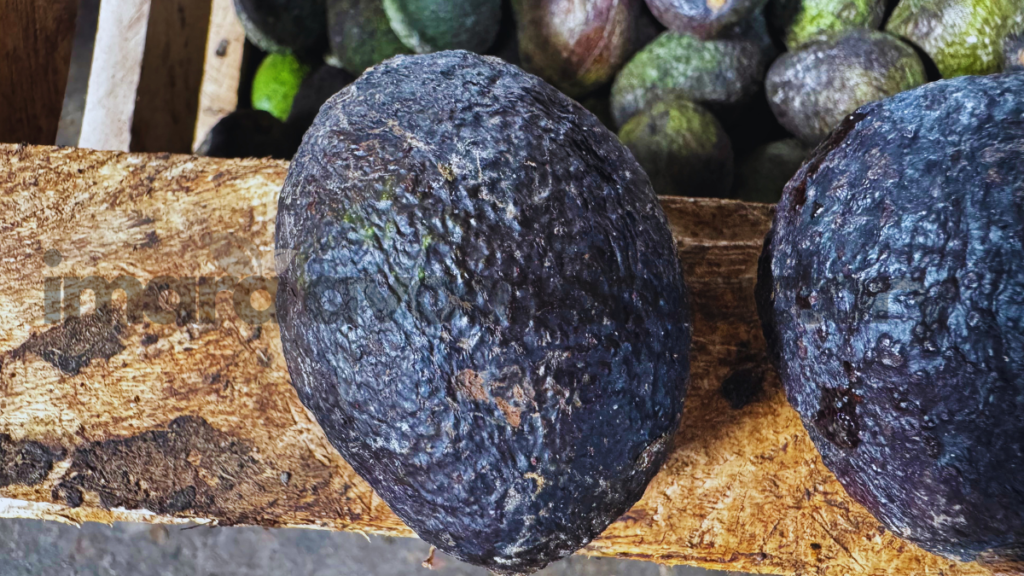
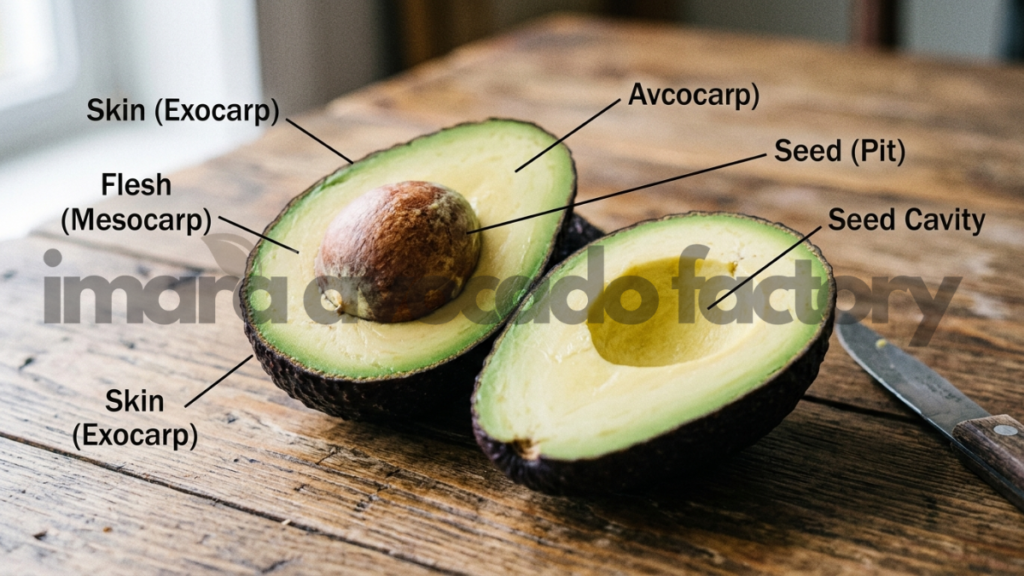
To understand what avocado oil is made from, it is important to begin with the fruit itself. The avocado consists of three main parts:
- The outer skin
- The large central seed, and
- The fleshy pulp
The skin acts as a protective layer and varies in thickness depending on the variety. The seed, often referred to as the pit, occupies a significant portion of the fruit but is not used in commercial oil production.
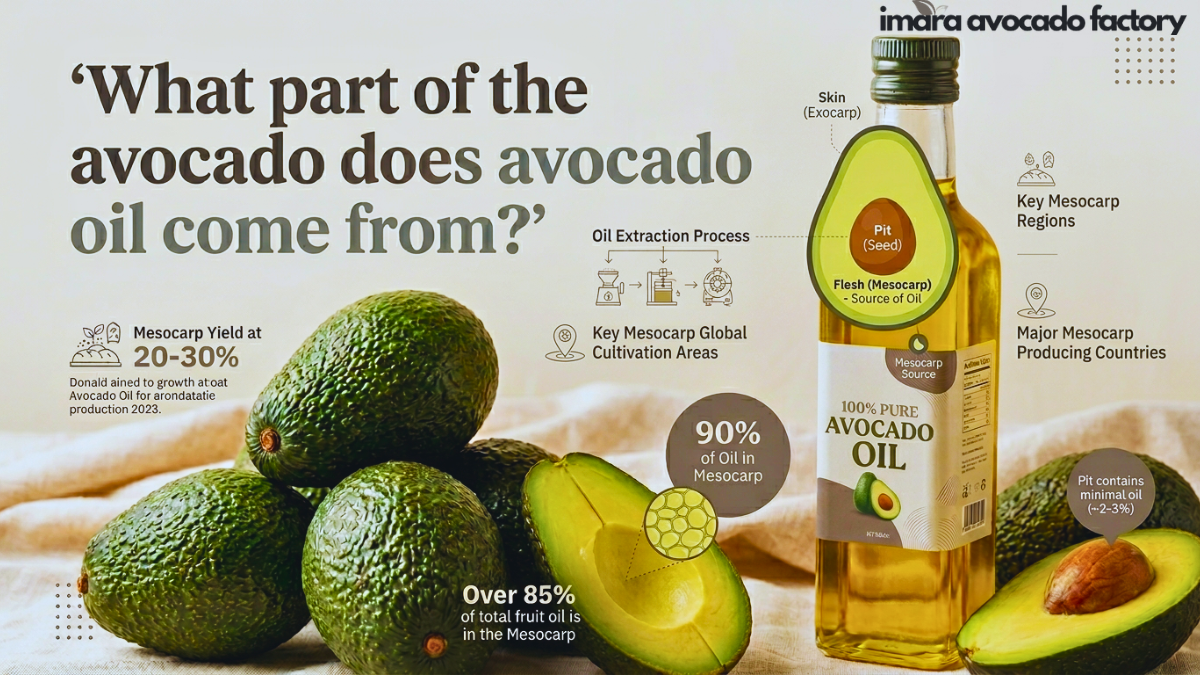
The most valuable component is the pulp, also known as the mesocarp. This fleshy green to yellow interior is rich in natural oils, particularly monounsaturated fats.
It is from this pulp that avocado oil is extracted. The oil content of the pulp can vary depending on factors such as variety, maturity, and growing conditions, making agricultural practices and sourcing strategies especially important.
What Part Of The Avocado Does Avocado Oil Come From?
Avocado oil is made exclusively from the pulp of the fruit. Unlike many other plant-based oils that are extracted from seeds, avocado oil is derived from the soft, edible flesh.
This distinction is significant. Oils such as sunflower or soybean oil rely on seeds, while avocado oil production resembles olive oil processing, where the fruit itself is pressed. The pulp contains a high concentration of oil, often ranging between 15 and 30% depending on the fruit’s maturity.
At Imara Avocado Factory, one of the leading avocado oil processing companies in Kenya, careful selection of mature avocados ensures optimal oil yield and quality. Harvesting at the correct stage is essential because oil accumulation increases as the fruit ripens.
This is why responsible sourcing and close collaboration with growers play a central role in consistent avocado oil production.
How Is Avocado Oil Made from the Pulp? Step-by-Step Process:
Once harvested, the process of how avocado oil is made begins with sorting and preparation. The fruit is inspected to ensure it meets quality standards before moving into processing.
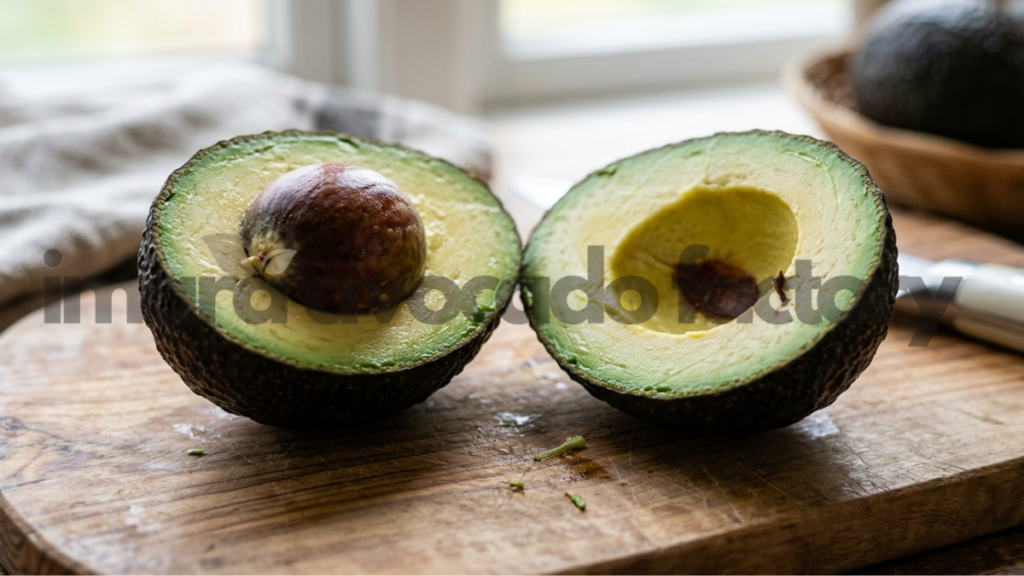
The first stage involves washing and deskinning the avocados. The outer skin and seed are removed, leaving only the pulp. This pulp is then mashed into a paste to facilitate oil extraction.
From here, the method of extraction becomes critical. Modern facilities prioritize mechanical extraction methods that preserve the oil’s natural properties. The process typically includes:
- Cold pressing: This is one of the most widely recognized techniques. It involves pressing the avocado paste at controlled temperatures to separate the oil without degrading its nutritional composition.
- Centrifugation: This process is often used after pressing and separates the oil from water and solids efficiently, resulting in a clean and stable product.
- Filtration: The oil is then filtered to remove remaining impurities, resulting in a clean and stable final product.
Throughout this process, temperature control, hygiene, and timing are essential. At Imara Avocado Factory, production systems are designed to maintain product integrity while meeting international food safety standards.
How Is Avocado Oil Extracted In Modern Facilities?
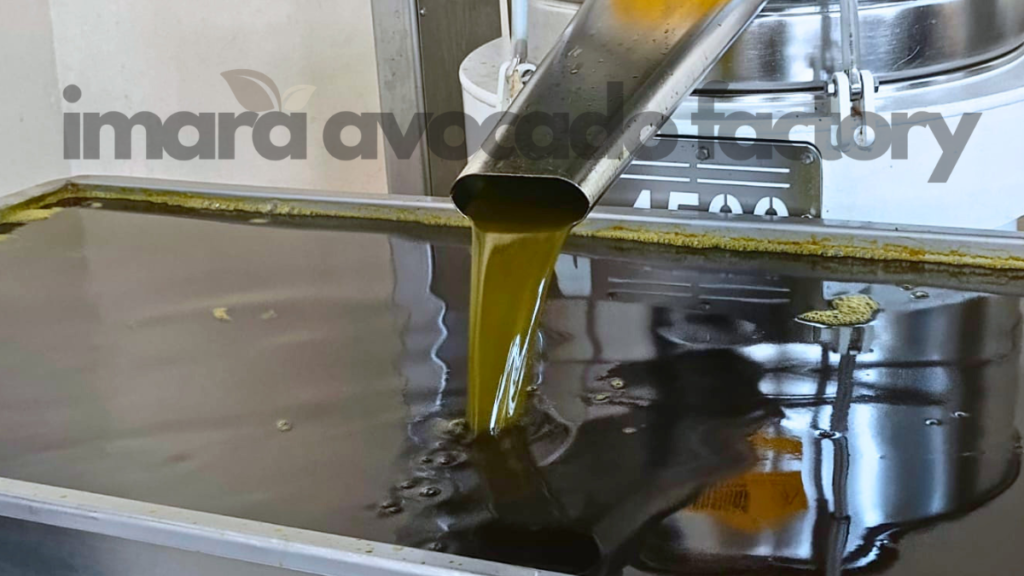
The question of how avocado oil is extracted goes beyond basic processing steps. It reflects the level of technological advancement within a facility and the company’s commitment to quality.
Modern avocado oil manufacturing integrates automated systems that monitor every stage of production. From fruit intake to final packaging, each step is carefully managed to ensure traceability and consistency.
Mechanical extraction methods are preferred because they align with clean label expectations and preserve the oil’s natural characteristics.
Unlike chemical extraction processes used in some industries, mechanical methods rely on physical separation, which supports both quality and sustainability goals.
Facilities also invest in quality control laboratories where samples are tested for parameters such as acidity, moisture content, and purity. This ensures that the final avocado oil meets both local and export market requirements.
Why Avocado Quality Is Important In Avocado Oil Production
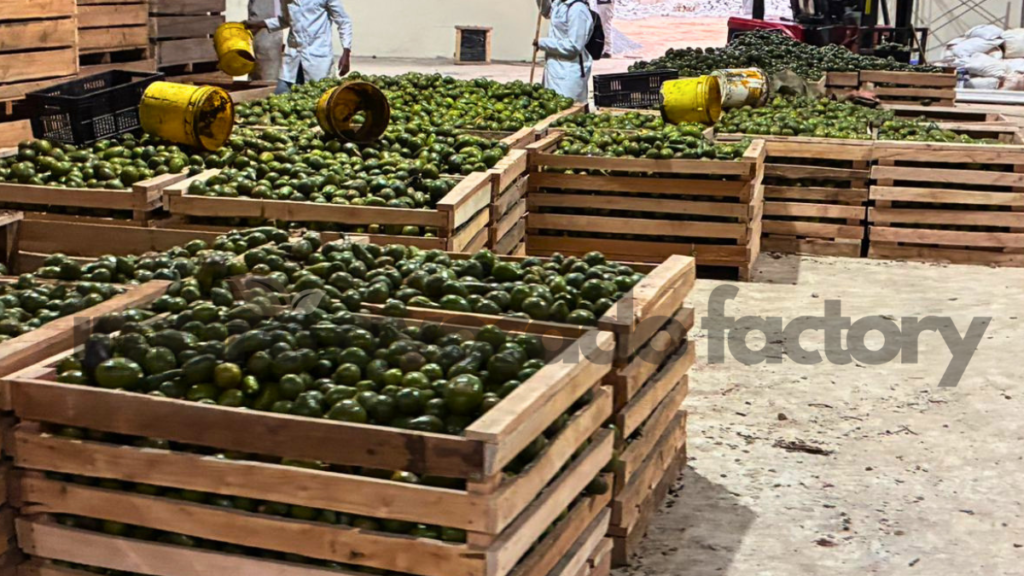
The quality of avocado oil begins long before processing. It starts at the farm level, where growing conditions, harvesting practices, and post-harvest handling all influence the final product.
Avocados grown in regions such as Kenya benefit from favorable climates and fertile soils. These conditions support healthy fruit development and consistent oil content.
However, timing remains critical. Overripe or damaged fruit can affect oil quality, while underripe fruit may yield less oil. You may want to read our guide on Kenya avocado oil.
Responsible sourcing practices involve working closely with farmers to ensure that harvesting aligns with optimal maturity levels. This approach not only improves oil yield but also supports sustainability within the agricultural ecosystem.
At Imara Avocado Factory, sourcing strategies are designed to build long-term relationships with growers. This creates a stable supply chain and promotes best practices across the value chain.
Sustainable Avocado Oil Production: Waste, Energy, and Efficiency
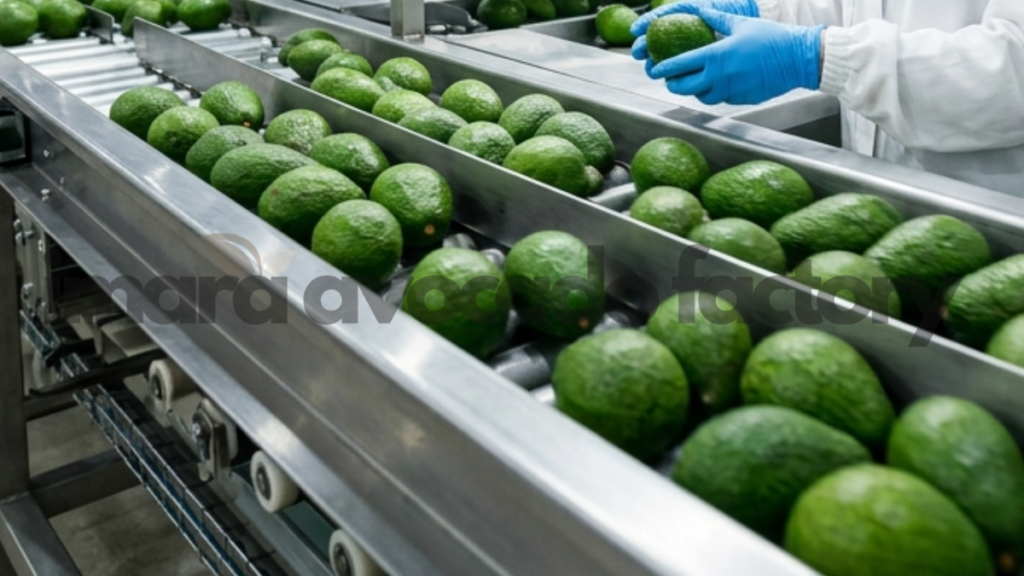
Sustainability is increasingly shaping how avocado oil is produced. From water usage to waste management, manufacturers are expected to operate responsibly while maintaining efficiency.
One of the advantages of avocado oil production is the potential to utilize by-products. The seed and skin, which are not used for oil extraction, can be repurposed for other applications such as animal feed or organic compost. This reduces waste and contributes to circular production models.
Energy efficiency is another key focus. Modern facilities are designed to optimize energy use during processing, particularly in stages such as drying and centrifugation. Water management systems also play a role in minimizing environmental impact.
Sustainability extends to people as well. A safe working environment, proper training, and clear operational procedures are essential components of responsible manufacturing. At Imara Avocado Factory, safety culture is integrated into daily operations, reinforcing accountability at every level.
Why Understanding The Source of Avocado Oil Is Critical
Knowing What part of the avocado does avocado oil come from helps stakeholders make informed decisions. For buyers and partners, it provides assurance about quality and processing standards. For industry professionals, it highlights the importance of raw material selection and operational discipline.
The fact that avocado oil is derived from the pulp positions it as a premium product within the edible oil category. This origin influences its texture, flavor, and nutritional profile, making it suitable for a wide range of applications.
It also underscores the importance of maintaining the integrity of the fruit throughout the value chain. From farm to factory, every step contributes to the final quality of the oil.
What Part Of The Avocado Does Avocado Oil Come From FAQs:
Here are quick answers to the most frequently asked questions about avocado oil production and its source:
How is avocado oil extracted?
Avocado oil is extracted using mechanical processes that begin with washing, de-skinning, and removing the seed. The pulp is mashed into a paste, then cold-pressed to separate the oil. Centrifugation follows to remove water and solids, and the oil is filtered to ensure purity and stability.
What is avocado oil made from?
Avocado oil is made from the pulp, or fleshy interior, of the avocado fruit. This part contains high levels of natural oils, particularly monounsaturated fats. Unlike many vegetable oils derived from seeds, avocado oil comes directly from the edible portion of the fruit.
What part of the avocado is avocado oil made from?
Avocado oil is made specifically from the pulp, also known as the mesocarp. This soft, green-to-yellow flesh is rich in oil, typically ranging from 15 to 30% depending on maturity. The skin and seed are removed and not used in commercial oil production.
Is avocado oil made from the seed?
No, avocado oil is not made from the seed. The seed, or pit, is excluded during processing and does not contribute to oil extraction. Commercial avocado oil production relies entirely on the pulp, which contains the necessary oil content for efficient and high-quality extraction.
What is the source of avocado oil?
The source of avocado oil is the pulp of mature avocados. Oil content develops as the fruit ripens, making proper harvesting timing essential. High-quality oil depends on well-grown avocados, careful sourcing, and optimal maturity to ensure both good yield and desirable nutritional properties.
Final Word
So, what part of the avocado does avocado oil come from? Avocado oil is made from the pulp of the fruit, a detail that defines both its production process and its market value. Understanding how is avocado oil made provides a deeper appreciation of the systems, expertise, and discipline required to produce a high-quality product.
From careful harvesting to advanced extraction methods, each stage of avocado oil manufacturing reflects a commitment to excellence.
At Imara Avocado Factory, this commitment is evident in sourcing practices, production standards, and a focus on sustainable operations. As global demand continues to grow, clarity around how is avocado oil made will remain essential for building trust, strengthening partnerships, and supporting the future of the industry.