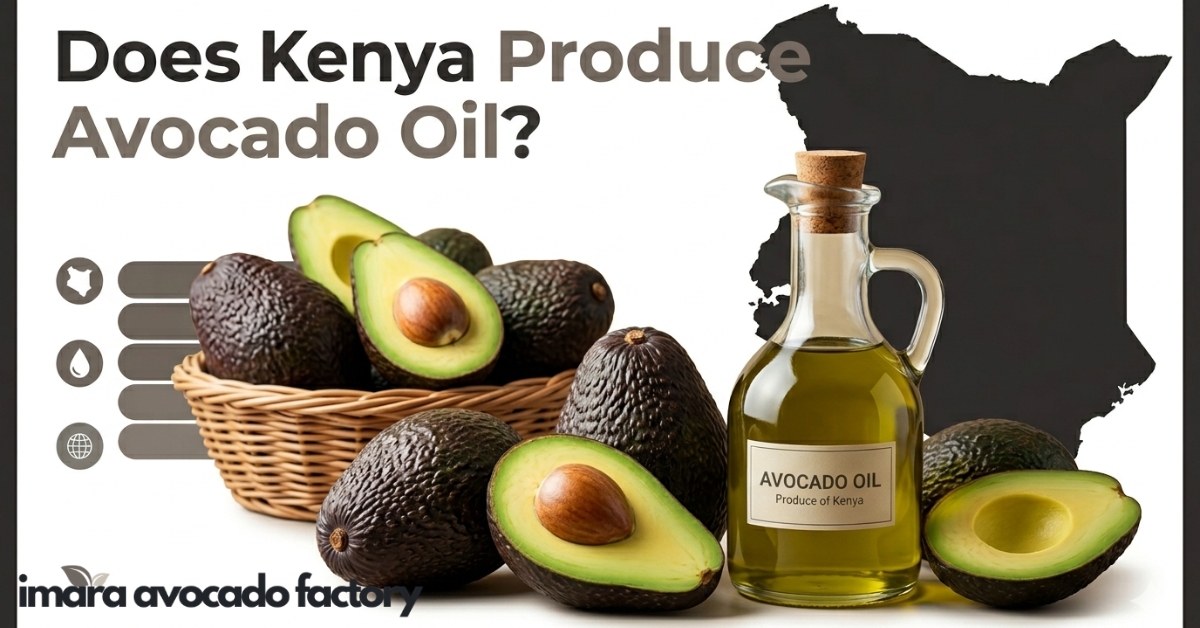
Kenya has become one of Africa’s most dynamic agricultural economies, with horticulture playing a central role in export growth and rural livelihoods. Among its standout products, avocado has gained global attention for both fresh export and value-added processing. A common question that arises within industry and consumer circles is: Does Kenya produce avocado oil? And if so, how is avocado oil made within the country’s evolving manufacturing landscape?
The answer is clear: Kenya produces avocado oil. What’s more, the country is steadily positioning itself as a serious player in the global avocado oil supply chain. With expanding orchards, improved post-harvest handling, and growing investment in processing facilities, the country is advancing from raw produce exports toward high-value manufacturing. Understanding how avocado oil is made in Kenya offers insight into broader trends shaping agriculture, industry, and sustainability in the region.
Kenya’s Avocado Industry And The Shift To Value Addition
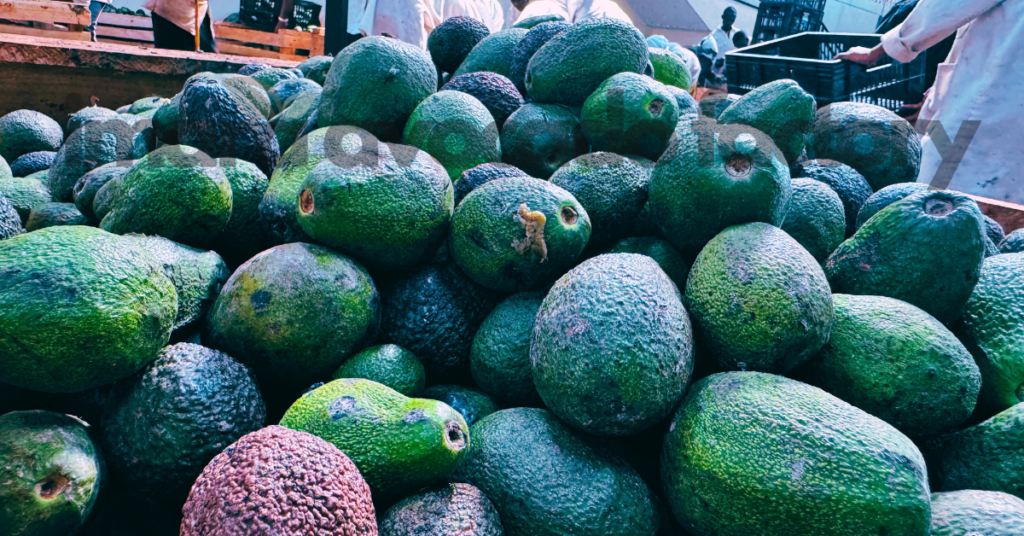
Kenya is one of the leading avocado producers in Africa, ranking first on the continent and among the top six globally, with over 500,000 metric tonnes produced annually, and smallholder farmers (who account for about 70% of production) alongside commercial farms contributing to a steadily growing supply. (Source).
Traditionally, much of this production focused on exporting fresh fruit, particularly Hass avocados, to markets in Europe and the Middle East.
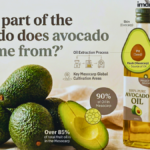
In recent years, there has been a strategic shift toward value addition. This includes processing avocados into oil for use in food, cosmetics, and nutraceutical applications. The question of what avocado oil is made from is straightforward: It is derived from the flesh of ripe avocados, which are rich in natural oils and beneficial fatty acids.
For producers and processors, the transition into oil extraction offers several advantages:
- It reduces post-harvest losses
- It creates new revenue streams
- It strengthens resilience within the agricultural value chain.
- It also aligns with broader national and regional goals to industrialize agriculture and increase export competitiveness.
What Is Avocado Oil Made From And Why Is It Important?
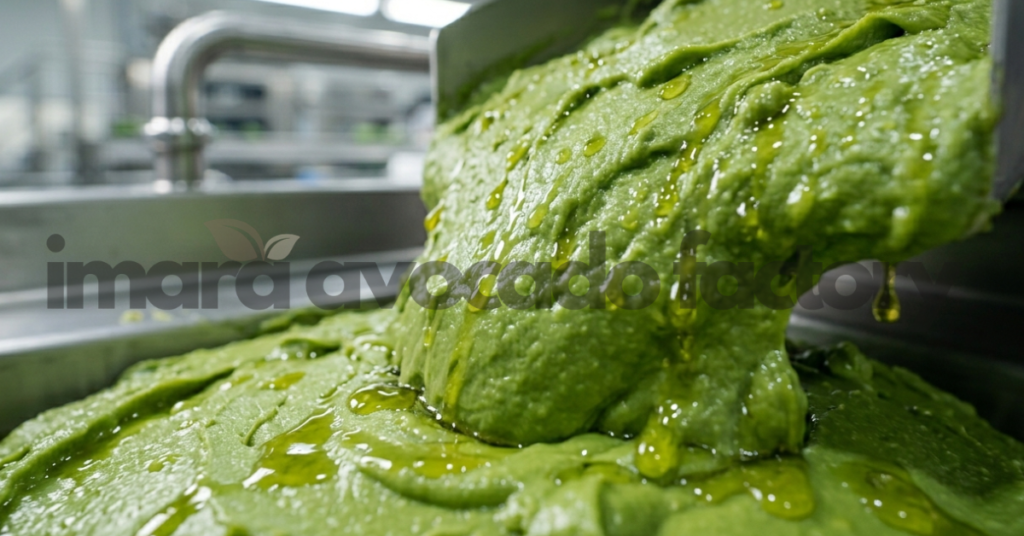
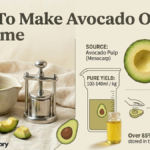
Avocado oil is made from the pulp of mature avocados rather than the seed. This distinguishes it from many other vegetable oils and contributes to its unique nutritional and functional properties. The fruit used for oil production is often selected based on oil content rather than appearance, which allows processors to utilize lower-grade fruits that may not meet fresh export standards.
This aspect is particularly important in Kenya’s context. By channelling more fruit into processing, companies can support farmers with consistent demand while reducing waste across the supply chain. It also enables better planning within factory operations, as raw material availability becomes more stable.
The growing global demand for avocado oil, driven by its culinary versatility and use in personal care products, has further reinforced the importance of understanding how avocado oil is made efficiently and at scale.
How Is Avocado Oil Made In Kenya?
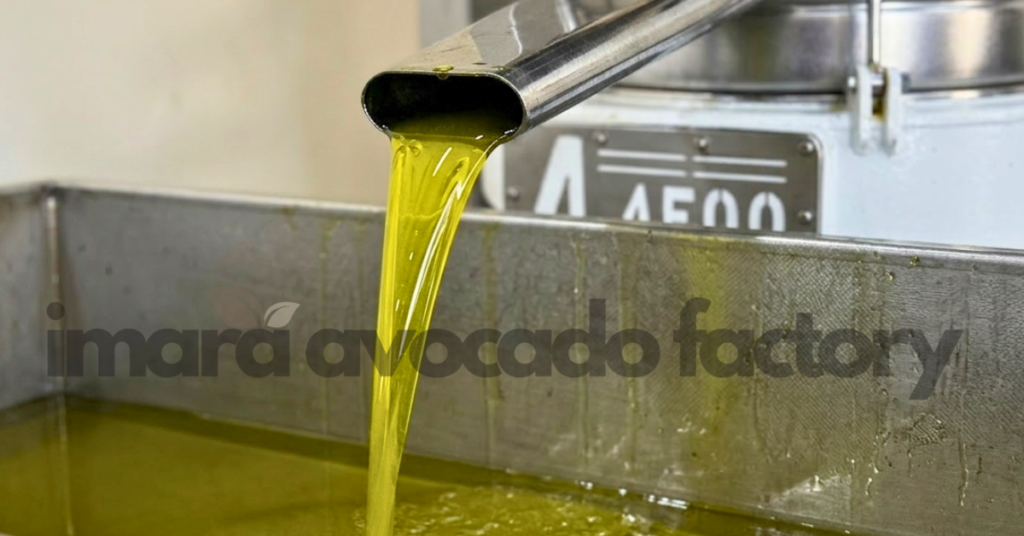
The process of how avocado oil is made in Kenya follows internationally recognized standards, with increasing emphasis on efficiency, hygiene, and product quality. While methods may vary slightly between facilities, the core stages remain consistent.
Harvesting is the first step. Avocados are picked at optimal maturity to ensure sufficient oil content. Timing is critical, as underdeveloped fruit yields less oil, while overripe fruit can affect quality.
Once harvested, the fruit is transported to processing facilities where sorting and cleaning take place. This stage ensures that only suitable fruit enters the production line. At modern factories, this process is guided by strict quality control protocols and a strong safety culture.
The next stage involves de-skinning and de-stoning the fruit. The pulp is then mashed into a paste, which forms the base for oil extraction. At this point, the question of how avocado oil is extracted becomes central.
There are two primary methods used in the industry: cold pressing and mechanical extraction. Let’s briefly describe each of them below:
- Cold pressing is widely regarded for preserving the natural characteristics of avocado oil, including its color, aroma, and nutritional profile.
- Mechanical extraction methods may involve controlled heating to improve yield while maintaining acceptable quality standards.
After extraction, the oil undergoes separation and filtration to remove water and solids. This results in a clean, stable product ready for storage or further refinement, depending on its intended use.
Throughout this process, maintaining hygiene, temperature control, and consistency is essential.
At facilities like Imara Avocado Factory, operational excellence plays a key role in ensuring that every stage of production meets both local and international expectations. Leadership teams, including General Manager Elazia C. Ahmogah and the Chief Production Officer, oversee systems that prioritize efficiency, traceability, and product integrity.
Processing Standards, Safety Culture, And Operational Excellence
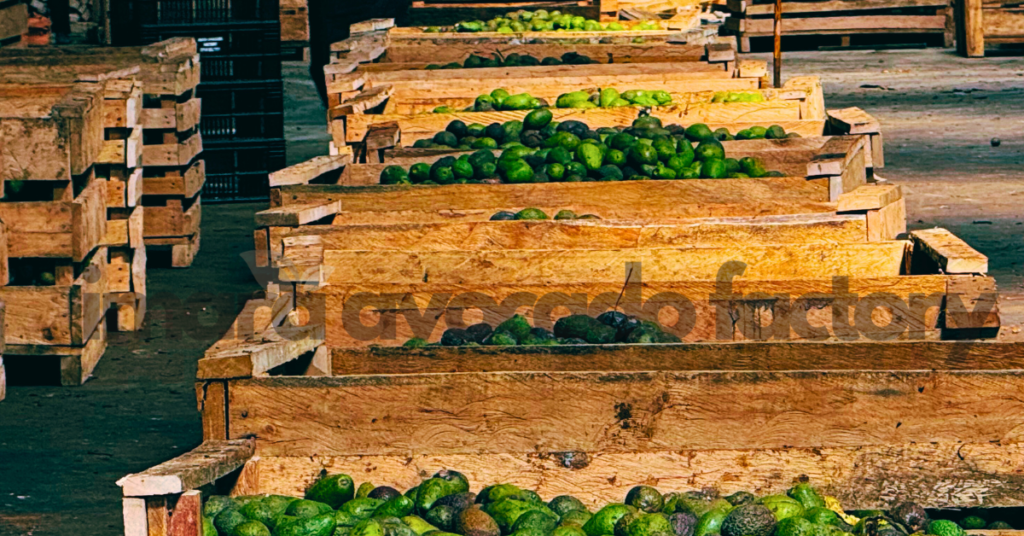
As Kenya’s avocado oil industry matures, processing standards are becoming increasingly aligned with global benchmarks. This includes attention to food safety, worker welfare, and environmental management within factory settings.
A strong safety culture is critical in food manufacturing. It ensures that employees operate within clearly defined procedures while maintaining consistent product quality.
In avocado oil processing, this extends from raw material handling to equipment maintenance and final packaging.
Operational efficiency also plays a major role. Modern facilities are designed to optimize throughput while minimizing waste. This includes effective use of by-products such as avocado skins and seeds, which can be repurposed for energy or other industrial applications.
Leadership within companies like Imara Avocado Factory reflects a forward-thinking approach to these challenges. With guidance from Director Nelson Kamwaro and the operations team, the focus remains on building systems that are both scalable and sustainable.
See how avocado waste is repurposed in the video below:
Sustainability And Responsible Sourcing In Kenya
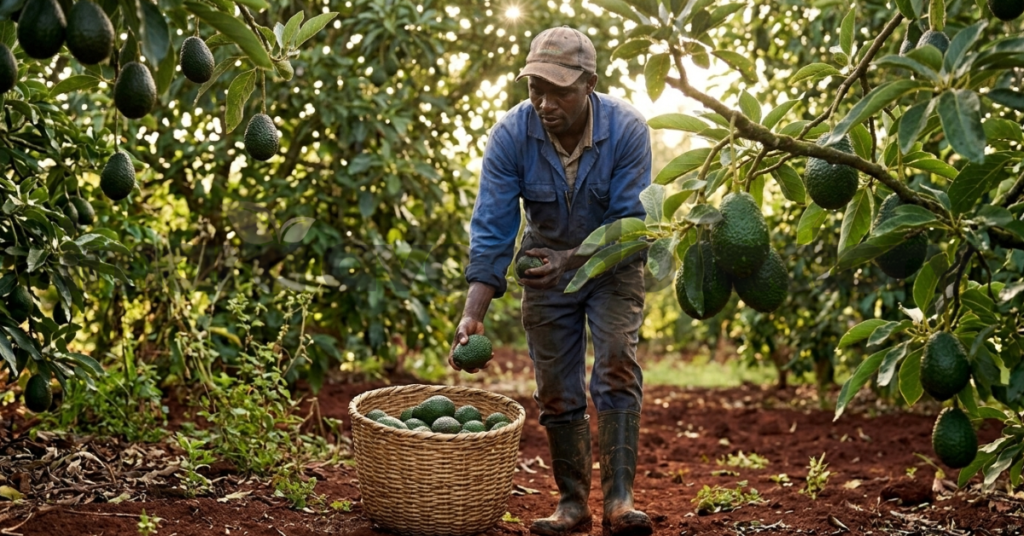
Sustainability is increasingly shaping how avocado oil is made, particularly in emerging production hubs like Kenya. Responsible sourcing practices ensure that farmers receive fair value while maintaining environmental stewardship.
This includes promoting proper farming techniques, reducing water usage where possible, and encouraging soil health management. For processors, sustainability also involves reducing energy consumption and improving waste management within factories.
The ability to trace avocado oil back to its source is becoming more important in global markets. Buyers are seeking transparency and accountability across the supply chain. Kenyan producers are responding by strengthening relationships with growers and implementing systems that support traceability.
This approach not only enhances market access but also reinforces Kenya’s credibility as a reliable supplier of high-quality avocado oil.
Kenya’s Position In The Global Avocado Oil Market
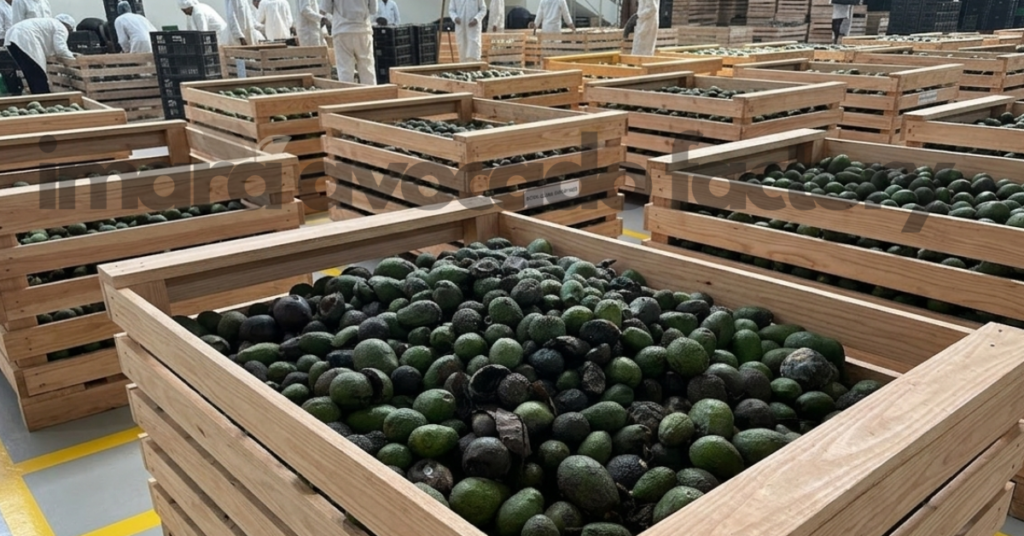
The global demand for avocado oil continues to grow (see market analysis from Statista), driven by its use in cooking, cosmetics, and wellness products.
Kenya is well-positioned to benefit from this trend due to its favorable climate, expanding production base, and strategic location for export.
Understanding how to make avocado oil at scale is no longer just a technical question. It is also a matter of infrastructure, investment, and industry coordination. As more processing facilities come online, Kenya’s capacity to produce and export avocado oil is expected to increase.
This growth is supported by collaboration between farmers, processors, logistics providers, and regulatory bodies. Together, they form an ecosystem that enables the country to compete in international markets.
Final Word
So, does Kenya produce avocado oil? The answer is firmly yes. More importantly, the country is building a strong foundation for long-term growth in this sector. From understanding what avocado oil is made from to refining how avocado oil is made through modern processing techniques, Kenya is advancing its role in global value chains.
As investment in infrastructure and expertise continues, the focus will remain on quality, sustainability, and operational excellence. For stakeholders across agriculture and manufacturing, the evolution of avocado oil production in Kenya offers a clear example of how value addition can transform an industry.
In the years ahead, continued innovation and leadership will define how avocado oil is made and positioned in global markets, reinforcing Kenya’s place as a credible and forward-looking producer.