Avocado oil has become one of the most valued plant-based oils in global food, cosmetics, and nutraceutical markets. Its popularity is driven by its nutritional profile, versatility, and stability at high cooking temperatures. As global demand continues to grow, many people are increasingly curious about one key question: how is avocado oil made? Companies such as Imara Avocado Factory in Kenya are helping answer this through modern processing and responsible avocado oil manufacturing.
Understanding how avocado oil is made reveals a careful process that combines agriculture, food science, and modern factory operations. From ripe avocado fruit to the final filtered oil, each stage plays a role in ensuring quality and purity. At Imara Avocado Factory, professional processing systems transform fresh avocados into high-quality avocado oil while maintaining strict operational and production standards.
What Is Avocado Oil Made From?
To understand how avocado oil is made, it is essential to start with the fruit itself.
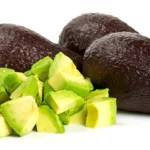
Avocado oil is produced from the fleshy pulp of avocados. Unlike oils such as sunflower oil, soybean oil, and rapeseed oil, which are extracted from seeds, avocado oil is extracted directly from the edible portion of the fruit.
The avocado fruit contains a high concentration of natural fats, particularly monounsaturated fatty acids. The most prominent of these is oleic acid, the same healthy fat that contributes to the nutritional value of olive oil.
In addition to beneficial fats, avocados contain naturally occurring antioxidants, phytosterols, and fat-soluble vitamins.
These characteristics make avocado oil attractive for several industries. In the food sector, the oil is valued for its mild flavor and high smoke point. In cosmetics, avocado oil is appreciated for its moisturizing properties and skin compatibility. In nutraceuticals, it is studied for its nutritional benefits.
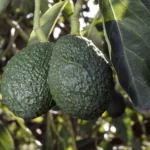
The type of avocado used for oil production is usually the Hass variety, which is widely cultivated worldwide. Hass avocados are particularly suitable for oil extraction because they contain a relatively high oil content compared to other varieties.
Many avocados used for oil processing are fruits that do not meet the strict cosmetic standards required for fresh export markets, but remain perfectly suitable for processing.
This ensures that agricultural output is used efficiently while reducing food waste.
The Role of Avocado Farming In Oil Production
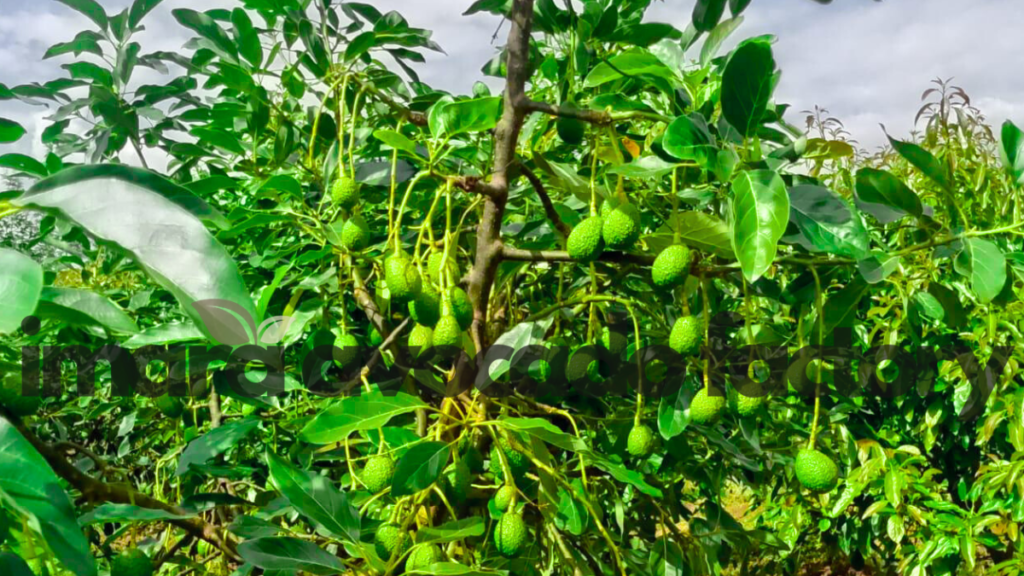
Before the manufacturing process begins, the quality of the oil is largely influenced by farming practices.
Avocado trees thrive in regions with moderate climates, well-drained soils, and reliable rainfall. Kenya has emerged as one of Africa’s leading avocado-producing countries, supplying both fresh fruit and processed avocado products to global markets.
Farmers play an essential role in the avocado oil value chain. Proper orchard management practices, such as irrigation, pest management, and harvesting techniques, directly influence fruit quality.
When avocados are harvested at the correct stage of maturity, they develop optimal oil content as they ripen. This is important because oil extraction efficiency is closely linked to the natural fat concentration within the fruit.
Once harvested, the avocados must be transported carefully to processing facilities to prevent damage and spoilage.
Freshness is critical because the condition of the fruit affects both the extraction process and the quality of the resulting avocado oil.
At Imara Avocado Factory, the transformation from fresh avocado fruit to finished avocado oil involves a series of coordinated steps, from fruit reception and preparation to extraction, filtration, and storage.
The following sections outline the key steps that explain how avocado oil is made in modern processing facilities…
Step 1: Fruit Reception And Quality Assessment

The first step in how avocado oil is made within a processing facility begins when freshly harvested avocados arrive at the factory.
At this stage, quality assessment procedures are carried out. These procedures are designed to ensure that the incoming fruit meets the standards required for oil production.
Our factory teams inspect the avocados for signs of excessive spoilage, mold, or contamination. Although cosmetic imperfections are acceptable, the fruit must still be healthy and suitable for processing.
Many professional processing facilities maintain traceability systems that track the origin of incoming fruit.
This helps ensure transparency in the supply chain and allows manufacturers to maintain consistent quality standards.
Once approved, the avocados move into the preparation phase.
Step 2: Cleaning And Washing The Fruit
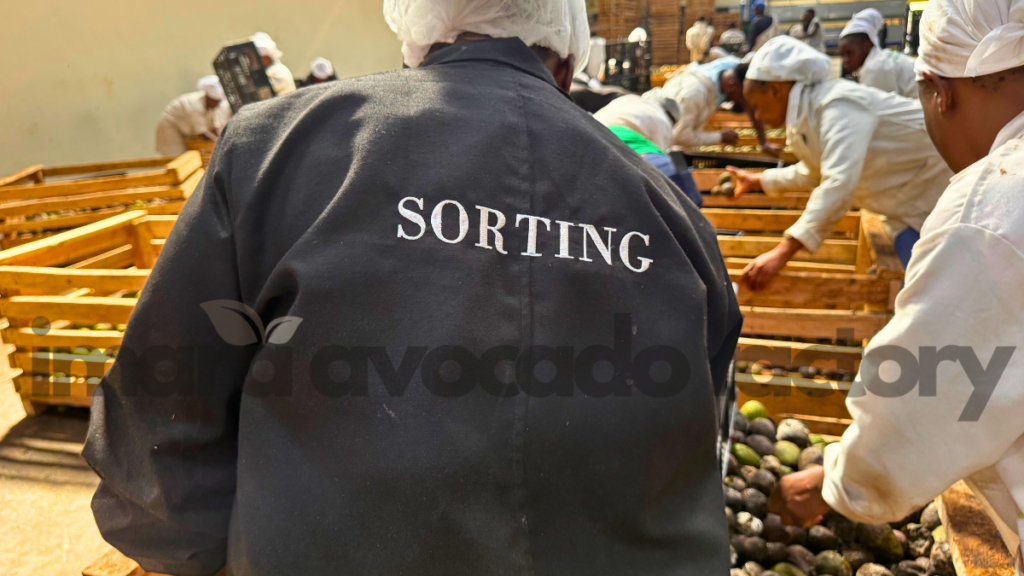
Image: Staff at Imara Avocado Factory sort ripe avocados to ensure only high-quality fruit enters the avocado oil production process..
Before extraction begins, the avocados must be thoroughly cleaned.
Harvesting and transport expose the fruit to soil, dust, and environmental debris. Washing systems remove these contaminants and ensure the fruit enters the production line in a clean condition.
Industrial washing equipment typically uses clean water combined with rotating brushes or gentle agitation. The goal is to clean the fruit without damaging the skin or pulp.
Food safety standards require that all washing processes follow strict hygiene practices. Processing facilities are designed with sanitation in mind, and equipment is cleaned regularly to maintain safe production conditions.
After washing, the avocados move further along the processing line, where the skin and seed are separated from the pulp.
Step 3: De-Skinning And De-Pitting
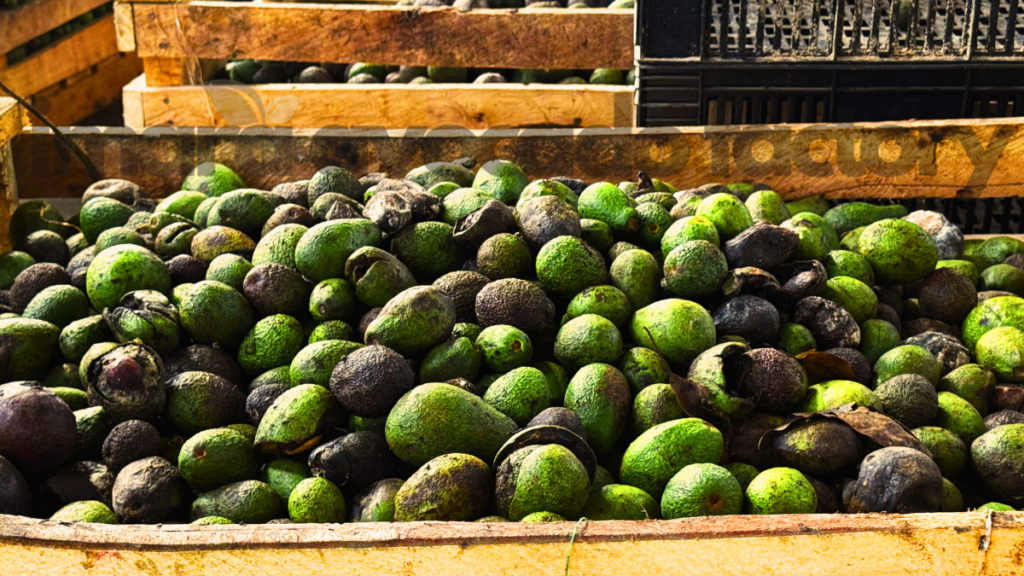
Image: Fresh avocados packed in crates at Imara Avocado Factory, ready for processing into high-quality avocado oil.
Since what avocado oil is made from is primarily the flesh of the fruit, the next stage focuses on isolating this pulp.
Avocados contain a thick outer skin and a large central seed. These components are removed during the de-skinning and de-pitting stage.
Mechanical equipment is typically used to split the fruit, remove the seed, and separate the skin from the pulp. The goal is to maximize pulp recovery while maintaining efficiency in the processing line.
The resulting avocado pulp is soft, rich, and high in natural oils. This pulp becomes the raw material for the oil extraction process.
The skins and seeds are not necessarily discarded. At Imara Avocados Factory, these by-products are repurposed for composting, biomass energy, and research into secondary products.
Step 4: Pulping (Creating The Avocado Paste)
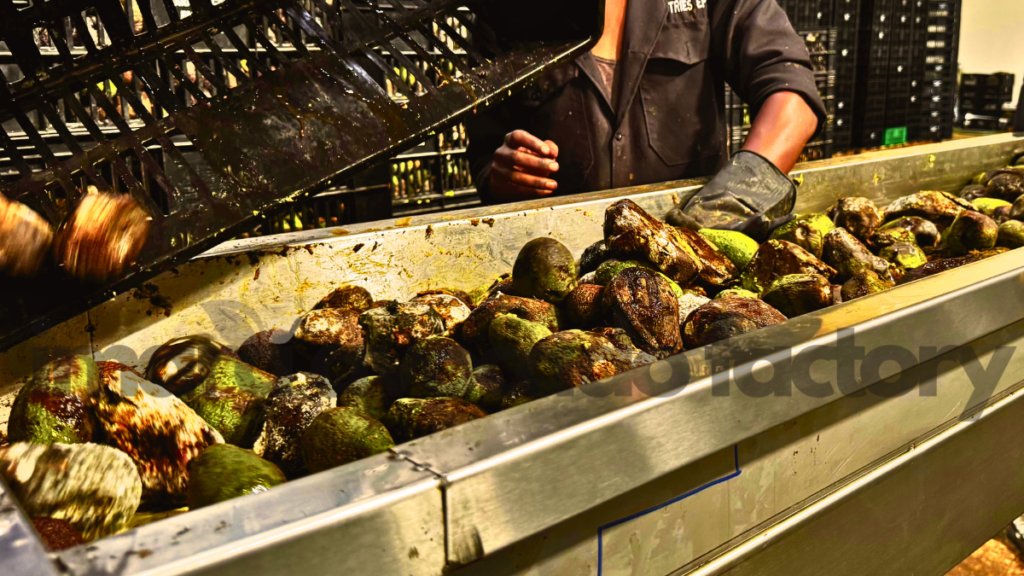
Image: Pulping equipment at Imara Avocado Factory crushes avocado flesh into paste to prepare it for the oil separation process.
Once the pulp has been separated from the rest of the fruit, it is transferred to pulping equipment.
The pulping process crushes the avocado flesh into a smooth, uniform paste.
This step is necessary because the oil within the avocado pulp is contained in tiny cells. Crushing the pulp helps release the oil droplets from these cells.
The resulting avocado paste has a thick, creamy consistency. It contains a mixture of oil, water, and plant solids.
This mixture must then undergo further processing to separate the oil from the other components.
Step 5: Malaxation (Preparing The Oil For Extraction)

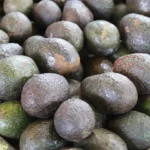
Image: Ripe avocados waiting for processing at Imara Avocado Factory before entering the avocado oil production line.
After pulping, the avocado paste enters a stage known as malaxation.
Malaxation involves gently mixing the avocado paste for a specific period of time under controlled temperature conditions. During this stage, small oil droplets within the paste combine to form larger droplets.
This process makes it easier to separate the oil from the rest of the mixture.
Temperature control is particularly important during malaxation. Excessive heat can alter the chemical structure of the oil and affect its flavor, color, and nutritional composition.
At Imara Avocados Factory, we carefully monitor this stage to ensure optimal extraction efficiency while preserving oil quality.
Step 6: How Avocado Oil Is Extracted
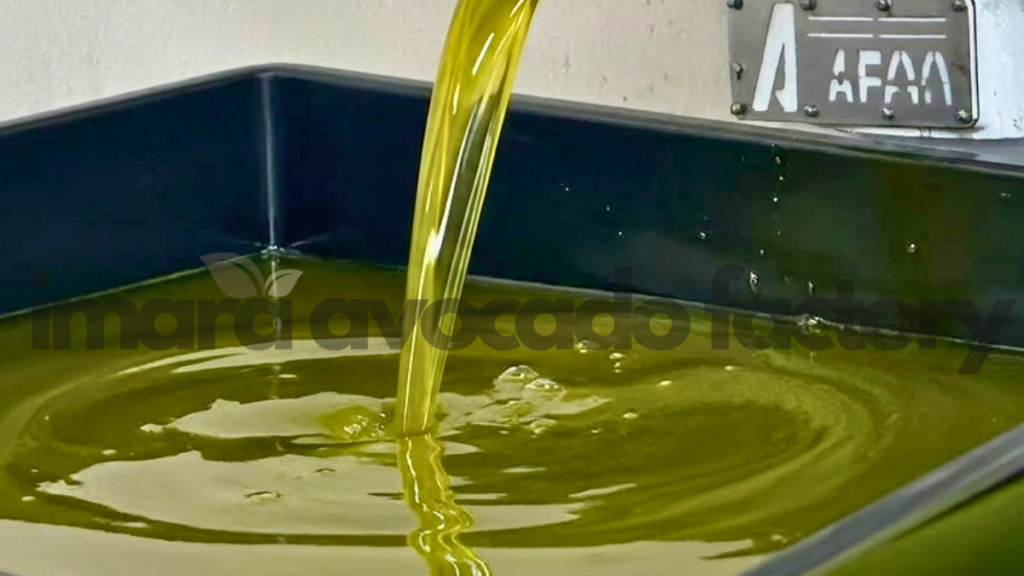
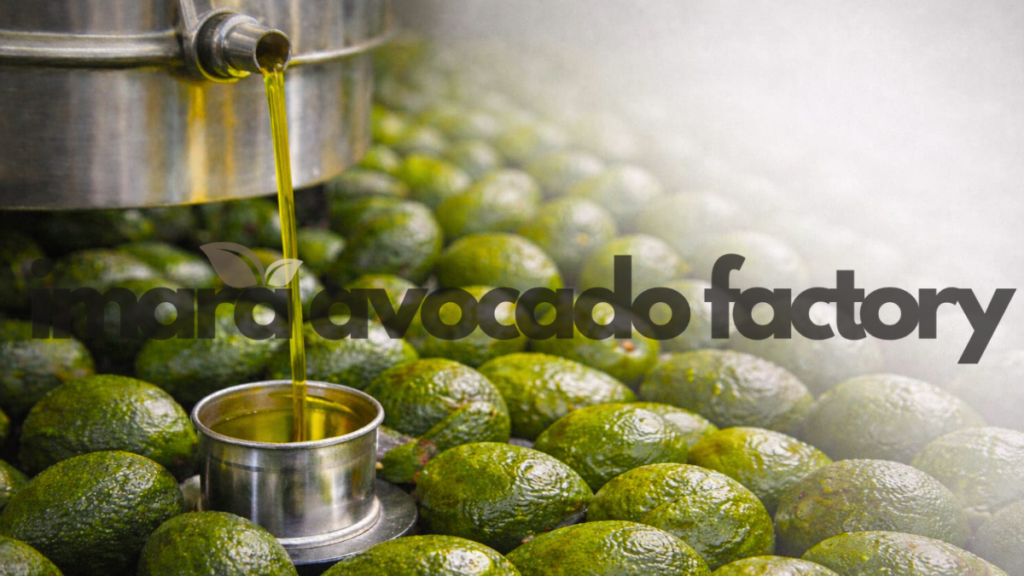
Image: Avocado oil extraction in progress at Imara Avocado Factory, where advanced processing technology separates oil from avocado paste
The core stage in how avocado oil is extracted is the separation of oil from the avocado paste.
Most modern avocado oil manufacturing facilities use centrifugation technology for this purpose.
Centrifugation works by spinning the avocado paste at very high speeds. The centrifugal force separates the mixture into different layers based on density.
The three main components that emerge during this process are oil, water, and solid plant material.
The avocado oil rises to the top layer and is collected for further processing. The remaining water and solids are separated and removed from the system.
Centrifugal extraction is widely used because it allows manufacturers to extract oil efficiently without the use of chemical solvents.
This method also supports the production of high-quality oil with minimal processing.
Step 7: Filtration And Clarification
Once the oil has been separated from the avocado paste, it still contains small amounts of moisture and fine particles.
Filtration systems are used to clarify the oil and remove these impurities.
The oil may pass through several filtration stages depending on the desired level of clarity. Filtration improves both the visual appearance and the stability of the oil.
During this stage, the oil begins to take on the characteristic golden green color associated with avocado oil.
Maintaining clean equipment and controlled conditions during filtration is essential for preserving oil quality.
Step 8: Refining And Oil Stabilization
Some avocado oil is sold as minimally processed oil, while other products undergo additional refining.
Refining helps stabilize the oil, improve its shelf life, and produce a more neutral flavor profile. This can be useful for food manufacturers who require consistent ingredients for large-scale production.
Refining processes may involve steps that remove remaining impurities, adjust color, or improve oil clarity.
At Imara avocado oil manufacturing facilities, we carefully control the refining parameters to ensure the oil retains all its functional properties.
Step 9: Storage And Packaging
After filtration and refining, the avocado oil is transferred to storage tanks designed specifically for edible oils.
These tanks protect the oil from exposure to light, oxygen, and temperature fluctuations, all of which can affect oil stability.
Proper storage conditions are essential to maintain the oil’s quality until it is packaged or distributed.
Avocado oil may be packaged in a variety of formats depending on its intended use.
Some oil is bottled for retail culinary markets, while other quantities are distributed in bulk to food manufacturers, cosmetic producers, and nutraceutical companies.
The versatility of avocado oil means it can serve a wide range of industries.
Quality Control In Avocado Oil Manufacturing
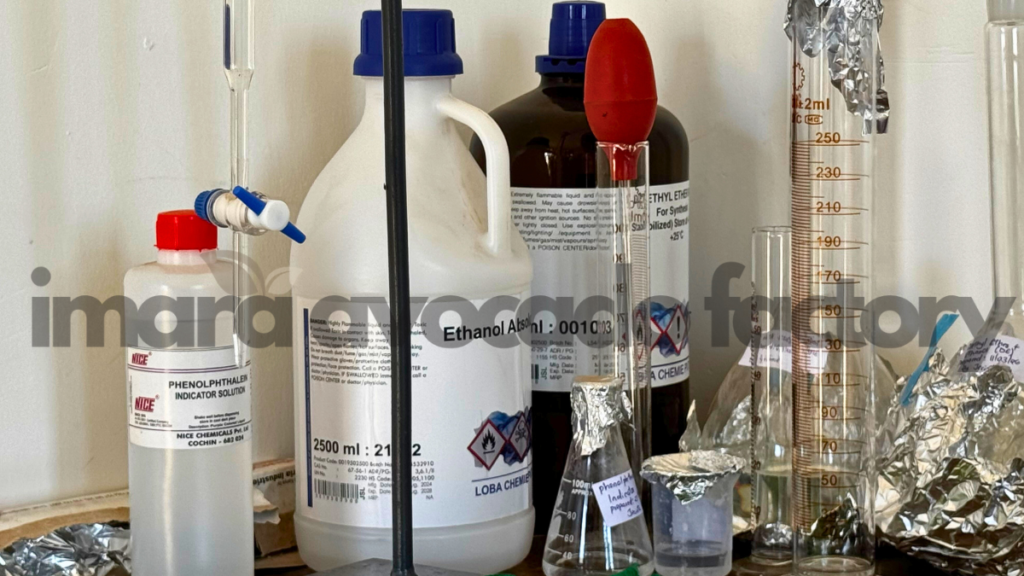
Image: Laboratory analysis at Imara Avocado Factory helps ensure every batch of avocado oil meets strict quality standards.
Producing high-quality avocado oil requires consistent quality control at every stage of the process.
At Imara Avocados factory, we maintain laboratory testing procedures to evaluate the oil’s chemical composition, moisture levels, and purity. These tests help ensure that the oil meets food safety standards and performs well in its intended applications.
Quality control also extends to equipment maintenance, hygiene procedures, and operational oversight.
Experienced production teams play an important role in managing these processes.
In our manufacturing facilities, the operations managers and production officers coordinate the workflow of machinery, personnel, and quality assurance systems.
This brings together leadership and clear operational standards that collectively contribute to reliable manufacturing outcomes.
Sustainability In Avocado Oil Processing

Image: At Imara Avocado Factory, organic by-products are managed responsibly to promote sustainable avocado processing.
As global interest in plant-based products grows, sustainability has become an important topic within the avocado oil industry.
Processing facilities increasingly focus on resource efficiency and responsible waste management.
Water used in washing processes may be recycled where possible. Organic by-products such as avocado skins and seeds may be repurposed for composting or research into alternative uses.
Sustainable processing also involves collaboration with farmers to encourage responsible agricultural practices and stable supply chains.
In avocado-producing regions like Kenya, local processing of avocado oil contributes to agricultural value addition and supports broader economic activity within rural communities.
Imara Avocado Factory operates within this growing sector, supporting the transformation of fresh avocados into high-quality avocado oil through professional processing operations.
A Note On The Rising Global Demand For Avocado Oil
The popularity of avocado oil has grown steadily over the past decade.
A report by Fortune Business Insights indicates that the global avocado oil market was valued at about USD 675 million in 2025 and is projected to reach around USD 1.36 billion by 2034, growing at a compound annual growth rate (CAGR) of about 8.3%.
Another analysis by Growth Market Reports estimates the market reached about USD 680 million in 2024 and could grow to around USD 1.31 billion by 2033, further reflecting strong global demand.
Consumers are increasingly interested in plant-based oils with nutritional benefits and culinary versatility. At the same time, cosmetic manufacturers and skincare brands have recognized the potential of avocado oil as a natural ingredient.
This growing demand has encouraged investment in avocado processing infrastructure in producing regions around the world.
For countries with strong avocado production, developing local processing capacity allows more of the value chain to remain within the region.
Frequently Asked Questions About How Avocado Oil Is Made:
These frequently asked questions provide clear insights into how avocado oil is made, how it is processed, and what consumers should know about its quality and uses:
What is avocado oil made from?
Avocado oil is made from the fleshy pulp of ripe avocados rather than the seed. The fruit’s pulp contains a naturally high concentration of oils, especially monounsaturated fats. During processing, the pulp is mashed and mechanically separated to extract the oil, which is then filtered and stabilized for culinary, cosmetic, or industrial uses.
How is avocado oil made in commercial factories?
In commercial production, avocados are washed, peeled, and de-pitted before the pulp is crushed into a paste. The paste is then mixed and processed through centrifugation or mechanical pressing to separate oil from water and solids. The extracted oil is filtered and sometimes refined before storage and packaging.
How is avocado oil extracted from the fruit?
Avocado oil is extracted by first converting the avocado flesh into a paste. This paste is slowly mixed to allow oil droplets to combine. The mixture is then spun in high-speed centrifuges or pressed mechanically, separating the oil from water and plant solids to produce raw avocado oil.
Is avocado oil made from the seed or the flesh?
Avocado oil is extracted from the fruit’s flesh rather than the seed. The creamy pulp surrounding the avocado pit contains most of the fruit’s natural oils. This distinguishes avocado oil from many vegetable oils that are derived from seeds such as sunflower, soybean, or canola.
Can avocado oil be made at home?
It is technically possible to make avocado oil at home by blending ripe avocados, heating the pulp, and separating the oil from moisture. However, home methods rarely achieve full oil separation or purity. Industrial facilities use specialized equipment such as centrifuges to extract oil efficiently and maintain consistent quality.
What is the difference between cold-pressed and refined avocado oil?
Cold-pressed avocado oil is extracted mechanically at low temperatures to preserve natural nutrients, flavor, and color. Refined avocado oil undergoes additional processing to remove impurities, reduce flavor intensity, and improve stability. Refined oil typically has a higher smoke point, making it more suitable for high-heat cooking.
How many avocados are needed to produce avocado oil?
The number of avocados required depends on fruit size, oil content, and extraction efficiency. On average, producing a 500-milliliter bottle of avocado oil can require roughly 15 to 22 avocados. Commercial processing facilities maximize yield through controlled extraction and efficient processing technologies.
Why does avocado oil vary in color?
Avocado oil color varies depending on how it is processed. Unrefined or cold-pressed avocado oil retains natural pigments such as chlorophyll and carotenoids, giving it a deep green appearance. Refined avocado oil undergoes additional processing that removes these pigments, resulting in a lighter yellow or golden color.
Why is avocado oil popular for cooking?
Avocado oil is popular in cooking because of its high smoke point and mild flavor. These properties allow it to perform well in frying, sautéing, roasting, and grilling. In addition, its high concentration of monounsaturated fats makes it a widely valued oil in modern culinary and nutritional applications.
Why is avocado oil used in cosmetics and skincare?
Avocado oil contains fatty acids, vitamin E, and natural antioxidants that support skin hydration and barrier protection. Because of these properties, it is widely used in cosmetics, skincare formulations, and hair care products. The oil acts as a moisturizing ingredient that helps nourish and soften the skin.
Final Thoughts
Understanding how avocado oil is made highlights the careful process behind producing the high-quality, versatile oil. From selecting ripe avocados to extracting and filtering the oil, each step requires careful handling, modern equipment, and experienced teams to maintain consistent standards.
At Imara Avocado Factory, producing avocado oil is approached with professionalism and attention to detail. By processing locally sourced avocados into quality avocado oil, the factory supports agricultural value addition while contributing to the continued growth of the avocado oil industry.